Introduction: The Intersection of Theory and Practice in Entrepreneurship
When it pertains to entrepreneurship education, the divide between theoretical knowledge and useful application is typically a chasm too wide to cross. Nevertheless, in today's hectic company environment, bridging theory and application is not simply useful; it's necessary. This post entrepreneurship research checks out different techniques, methods, and success stories that show how genuine projects can efficiently connect classroom theories with real-world entrepreneurial practices.
Why Terrific Entrepreneurs Frequently Originate From Great Classrooms: The Effect of Reliable Entrepreneurship Education
Understanding the Function of Education in Shaping Entrepreneurs
Education plays a pivotal role in shaping future business MGT200 Small Business Management and Entrepreneurship owners. A well-structured curriculum not only imparts knowledge but also cultivates important thinking, analytical capabilities, and creativity. So, what makes some class incredibly efficient at supporting entrepreneurial talent?
Characteristics of Efficient Entrepreneurship Education
Engagement: Participation in hands-on projects substantially improves learning. Interactivity: Encouraging dialogue amongst trainees cultivates collaborative skills. Adaptability: Lessons that adjust to present market patterns keep content relevant.By incorporating these attributes into the curriculum, educators can foster an environment where budding entrepreneurs thrive.
Proven Pedagogies: What Research Study Says About Teaching the Entrepreneurial Frame Of Mind and Skillset
The Value of Mindset in Entrepreneurship
Research shows that fostering an entrepreneurial state of mind is critical for success. This frame of mind consists of strength, flexibility, and a desire to take calculated dangers. However how do we instill this mindset in students?
Effective Pedagogical Approaches
Project-Based Learning (PBL): Students take on real-world issues through projects. Experiential Learning: Students engage directly with their subject matter. Mentorship Programs: Matching trainees with seasoned business owners offers indispensable insights.According to numerous research studies, these pedagogies have actually proven effective in cultivating both the mindset and ability required for entrepreneurial success.
Beyond the Lecture: How Experiential Knowing, Mentorship, and Startup Labs Drive Real Outcomes
The Power of Experiential Learning
Experiential learning emphasizes active participation over passive consumption of details. This technique enables trainees to apply what they have actually discovered in a controlled environment before stepping into the genuine world.
Mentorship as a Driver for Growth
Having a mentor can considerably change a trainee's entrepreneurial journey. By receiving feedback from knowledgeable specialists, students can fine-tune their ideas and gain confidence.
Startup Labs as Innovation Hubs
Startup laboratories provide trainees with resources-- mentorship, funding chances, and networking occasions-- that are important for turning concepts into practical organizations. These spaces motivate collaboration among like-minded individuals who share a passion for innovation.
Teaching Innovation with Intention: Success Stories from Classrooms That Introduce Real Ventures
Case Studies of Successful Entrepreneurial Programs
The Lean Start-up Approach at Stanford University:- Focuses on developing MVPs (Minimum Viable Products) quickly. Encourages iterative learning based upon consumer feedback.
- Provides seed financing to appealing startups. Offers mentorship from industry experts.
These programs exhibit how deliberate teaching methods can directly cause the launch of successful ventures.
From Knowing to Introduce: Assessing Entrepreneurial Readiness Through Authentic, Outcome-Based Evaluation
Defining Entrepreneurial Readiness
What does it mean for a student to be "entrepreneurially all set"? It concerns whether they possess the needed skills and mindsets to start their own endeavors successfully.
Outcome-Based Examination Methods
Portfolio Assessments: Trainees compile proof of their work throughout the course. Pitch Competitions: Individuals present their organization ideas to prospective investors. Reflection Journals: Motivate self-assessment relating to skills learned.These evaluation approaches assist educators assess readiness more effectively than traditional tests alone.
The Gold Requirement in Entrepreneurship Education: Standards, Finest Practices, and Breakthrough Results
Establishing Standards for Success
To ensure quality entrepreneurship education programs are meeting established benchmarks is essential for continuous improvement.
Key Efficiency Indicators (KPIs)
- Student engagement levels Business practicality post-graduation Alumni success stories
Tracking these KPIs allows organizations to improve their techniques continually.
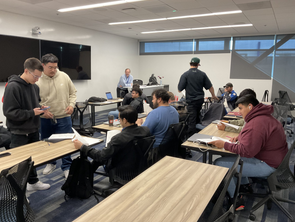
Bridging Theory and Application in Entrepreneurship Through Genuine Projects
In looking for to bridge theory with practice effectively within entrepreneurship education frameworks, it's essential that universities move beyond simple lectures or book knowing experiences. Rather, genuine jobs should be deeply woven into curricula-- allowing trainees not just to learn more about entrepreneurship however also live it! Whether it's through pitch competitors or real-world cooperations with local services-- the focus ought to always be on experiential knowing as a car for growth.
By interesting trainees straight with useful difficulties faced by business owners today-- students develop not just theoretical insight but likewise robust skill sets that position them favorably within competitive markets post-graduation!
Frequently Asked Concerns (FAQs)
1. What are authentic tasks in entrepreneurship education?
Authentic projects are real-world obstacles or jobs that enable students to use theoretical knowledge almost while establishing valuable skills such as problem-solving, team effort, and vital thinking.
2. How does experiential knowing differ from traditional learning?
Experiential learning concentrates on direct experience instead of passive absorption of info typically discovered in standard lecture-based settings.
3. Why is mentorship crucial in entrepreneurship education?
Mentorship offers guidance from knowledgeable specialists who can use insights into navigating obstacles distinct to launching ventures-- an essential element typically lacking for brand-new entrepreneurs without such assistance systems!
4. What metrics should schools use to examine entrepreneurial readiness?
Schools can use portfolio evaluations showcasing trainee work in addition to pitch competitions examining company ideas' practicality together with reflection journals motivating self-assessment regarding abilities discovered throughout courses offered!
5. How do startup laboratories support aspiring entrepreneurs?
Startup labs offer necessary resources like mentorship opportunities while creating environments favorable toward partnership amongst peers sharing similar passions-- ultimately driving innovation forward!
6. Can efficient entrepreneurship education impact economic growth?
Absolutely! When universities produce knowledgeable entrepreneurs geared up with relevant tools/knowledge-- these individuals contribute favorably towards task creation/economic advancement within communities they serve!
Conclusion
Bridging theory and application in entrepreneurship through genuine projects is not simply an instructional trend; it's imperative for shaping proficient future leaders who can navigate intricate organization landscapes successfully! As we have actually explored various methodologies-- from project-based learning models highlighting hands-on experiences-- to robust assessment techniques assessing readiness-- it becomes apparent that aligning academic techniques with real-world applications creates pathways towards sustained entrepreneurial success! By investing time/resources into evolving class dynamics today-- we lay foundations upon which tomorrow's pioneers will thrive!