Introduction
In today's fast-paced world, entrepreneurship isn't almost launching a business. It's about cultivating a mindset that embraces difficulties, learns from failures, and continually looks for development. The entrepreneurial class acts as a powerful platform for teaching these essential abilities, focusing on durability as an essential part. This detailed post checks out how grit and development can be successfully incorporated into entrepreneurial education, gearing up future leaders with the tools they require to prosper.
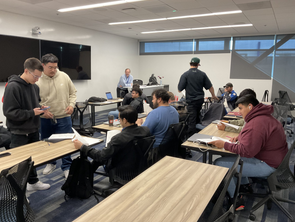
Grit and Growth: Teaching Durability in the Entrepreneurial Classroom
Grit is more than simply perseverance; it has to do with enthusiasm and long-term commitment. In the entrepreneurial classroom, promoting grit suggests creating an environment where students feel empowered to take threats, gain from their mistakes, and recuperate stronger. It's important to teach trainees that failure is not the end however rather a stepping stone towards success.
Through various pedagogical techniques-- such as project-based learning, collaborative projects, and real-world applications-- educators can impart durability. By promoting an atmosphere where vulnerability is invited and setbacks are viewed as important learning experiences, trainees establish a robust entrepreneurial mindset that prepares them for real-world challenges.
What Sets Great Entrepreneurship Professors Apart: The Science and Soul Behind Teaching Mindset
Understanding the Function of Frame Of Mind in Entrepreneurship
Entrepreneurship teachers play a pivotal function in shaping trainees' state of minds. However just what differentiates great teachers from the rest? It boils down to their capability to blend scientific principles with emotional engagement. Research shows that embracing a growth state of mind significantly impacts trainee performance and Tucson business strategy specialist resilience.
Key Qualities of Efficient Entrepreneurship Professors:
Empathy: Comprehending student struggles cultivates trust. Adaptability: Tailoring teaching techniques to diverse learning styles enhances engagement. Passion: An authentic enthusiasm for entrepreneurship inspires students.Implementing Frame of mind Education
To cultivate a development mindset within the classroom:
- Introduce State of mind Workshops: Assist in sessions concentrating on self-awareness and individual growth. Encourage Reflection: Have trainees journal about their experiences with failure and lessons learned. Model Resilience: Share individual stories of getting rid of obstacles in your entrepreneurial journey.
How to Teach Grit, Adaptability, and Chance Acknowledgment-- And Really Make It Stick
Teaching Grit Through Real-World Challenges
Project-based learning uses an excellent opportunity for mentor grit by immersing students in real-world challenges. By engaging them in tasks that require sustained effort and analytical skills, teachers can assist trainees develop resilience.
Strategies for Teaching Adaptability
Scenario-Based Learning: Present trainees with unforeseen obstacles during tasks to motivate quick thinking. Role-Playing Exercises: Allow trainees to experience numerous entrepreneurial functions to comprehend various perspectives.Opportunity Acknowledgment: The Heartbeat of Entrepreneurship
Recognizing opportunities requires both vision and versatility:
- Encourage brainstorming sessions where no idea is too outlandish. Facilitate conversations on current market trends to hone their analytical skills.
Real-World Learning, Real Outcomes: Classroom Strategies That Release Ventures and Change Lives
Experiential Knowing Opportunities
Engaging with regional businesses or startups offers important insights into the entrepreneurial landscape. Organizing school trip or visitor lectures can expose trainees to real-world scenarios.
Collaborative Projects with Startups
Collaboration with start-ups permits trainees to use theoretical concepts almost:
- Create teams charged with solving real problems dealt with by entrepreneurs. Facilitate pitch competitions where trainees present options to market professionals.
From Theory to Practice: Using Failure, Feedback, and Reflection to Build Entrepreneurial Thinkers
Embracing Failure as Part of Learning
Teaching trainees that failure is an essential part of entrepreneurial success encourages risk-taking:
- Use case research studies of successful business owners who dealt with significant setbacks. Implement post-mortem analyses after project completions to examine what went wrong.
Feedback Loops for Constant Improvement
Regular feedback mechanisms keep students engaged:
- Utilize peer reviews where classmates provide positive criticism. Implement one-on-one meetings concentrated on personal development goals.
The Metrics of Proficiency: How to Determine Growth in Mindset, Not Just Grades or Attendance
Redefining Success Metrics in Education
Traditional grading often fails to record real trainee development in entrepreneurship courses:
Implement self-assessment tools determining emotional intelligence. Create portfolios showcasing trainee jobs over time.Award-Winning Development in Teaching: Case Studies, Student Success Stories, and Best-in-Class Outcomes
Highlighting Effective Programs Worldwide
Many universities have actually pioneered innovative mentor methods that yield exceptional results:
- Case Research study 1 - Stanford University's Design Thinking Program Students engage deeply with empathy-based design procedures leading them toward successful startups. Case Research study 2 - Babson College's Entrepreneurial Leadership Program Focus on experiential learning ensures graduates leave geared up with both knowledge and confidence.
FAQs
1. What is grit in the context of entrepreneurship?
Grit refers to perseverance integrated with passion towards accomplishing long-term objectives amidst challenges.
2. How can teachers implement grit-building activities?
Educators can utilize project-based knowing, real-world challenges, role-playing workouts, and scenario-based activities.
3. Why is versatility necessary for entrepreneurs?
Adaptability permits business owners to pivot when faced with unpredicted barriers or market changes ensuring sustainability.
4. How does failure add to success in entrepreneurship?
Failure teaches valuable lessons that promote resilience while supplying insights essential for future successes.
5. What metrics need to educators think about beyond grades?
Educators must think about emotional intelligence assessments, self-reflection journals, and portfolio examinations as signs of trainee growth.
6. Can partnership cause much better outcomes in entrepreneurial education?
Absolutely! Collaboration improves imagination by combining diverse perspectives causing ingenious services for complex problems.
Conclusion
The journey through entrepreneurship education is not entirely about imparting knowledge; it's also about forging durable leaders ready for whatever life throws at them. By highlighting grit alongside useful applications like real-world learning experiences-- and moving beyond standard grading systems-- we prepare our future business owners not simply for success but for significant contributions within their communities.
In essence, "Grit and Development: Teaching Durability in the Entrepreneurial Class" encapsulates this transformative academic philosophy where development fulfills heart-driven teaching practices-- eventually forming durable thinkers capable of growing in the middle of uncertainty while pursuing their enthusiasms relentlessly!